

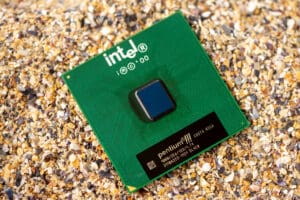
 It was billed as the “fastest x86 processor” ever manufactured, and maybe it was — when it worked properly. Twenty-six years ago, Intel had to pull its 1.13GHz Pentium III processor off the market only four weeks after its first release.
The warning signs ignored
Hindsight is 20/20. Intel’s misstep shows why companies shouldn’t sacrifice quality to beat competitors to market. (More on that in a minute.) The problems started as soon as industry publications began testing samples. Thomas Pabst of Tom’s Hardware published a detailed account of his multiple attempts not only to test the processor but also to attract Intel’s attention to its issues.
Pabst initially thought he was experiencing a software issue fixable with a micro code update. Pabst hadn’t received a motherboard along with his sample, and he assumed the micro code update was on the motherboard. He told Intel he planned to report on the issue, and per Pabst, the response was, well, we can’t keep you from it. So, he wrote the article.
Then other testers began contacting Pabst with their similar experiences — except they had received the motherboard. Pabst published a piece indicating it wasn’t just the software and then caught a lot of flack himself. He was accused of publishing clickbait by peers. “Do you really need all of this ‘bashing’ and controversy to be able to reach those 20 million hits you’re so opening bragging about[,]” one reader wrote.
Facing the inevitable
Intel asked Pabst to send his sample back, but he declined, continuing to test on a Linux compilation with HardOCP found Kyle Bennett. Intel began releasing information about its next creation, the Pentium 4 processor.
But at the end of August, on the same day AMD released its 1.1 GHz Athlon 1100 processor, Intel announced it had stopped shipping the 1.13 GHz Pentium III processor and would contact those who had it to offer a replacement or refund. Pabst took the chance to effectively say “I told you so.”
Did you enjoy this installation of SmarterMSP’s Tech Time Warp? Check out others here.

Photo: Remus Rigo/Shutterstock