

 A global survey of 1,800 senior IT decision-makers at organizations with more than 1,000 employees finds that a full 81 percent either fully outsource or rely on professional services for cloud-related needs.
Conducted by the market research firm Radius Tech on behalf of Broadcom, the survey also reveals that 70 percent of respondents work in organizations with a centralized IT team—or at least standardized policies, tools, and automation—to manage application workloads.
Skills gaps are driving new opportunities
Despite these investments, significant skills gaps remain—and they are creating fresh opportunities for IT service providers.
The most in-demand areas include:
- Artificial intelligence (AI) infrastructure and operations (40 percent)
- Cloud and distributed security operations (38 percent)
- Cloud-native and Kubernetes operations (37 percent)
- Automation and infrastructure as code (35 percent)
- Monitoring, observability, and performance (33 percent)
- Data platforms and infrastructure (31 percent)
- Cost and financial governance (31 percent)
- Design and architecture (27 percent)
Cloud spend waste remains a major challenge
There is also a clear gap in cloud optimization expertise. Nearly all respondents (97 percent) believe some of their public cloud spend is wasted, with more than half (52 percent) estimating that waste exceeds 25 percent.
This ongoing inefficiency underscores the need for external expertise to help organizations better manage, optimize, and govern their cloud environments.
Private cloud gains momentum
At the same time, cloud environments are becoming more diverse. Nearly three-quarters of respondents (72 percent) plan to increase spending on private cloud environments over the next three years, with 58 percent identifying them as a priority.
Additionally, 56 percent of organizations are deploying AI workloads in private cloud environments, compared to 41 percent in public clouds—highlighting a shift toward greater control, security, and predictability.
Workload repatriation and placement trends evolve
The survey also finds that 50 percent of organizations have already repatriated workloads from public to private cloud environments, while 33 percent are actively considering migration in 2026.
Workloads most likely to move include those that are:
- High security or compliance requirements (51 percent)
- Data-intensive (48 percent)
- Business-critical (47 percent)
- AI-driven (43 percent)
- Productivity-focused (40 percent)
- Latency-sensitive (39 percent)
- Modern cloud-native applications (36 percent)
When evaluating workload placement, organizations prioritize:
- Security and compliance (32 percent)
- Data sovereignty and control (15 percent)
- Performance and latency (14 percent)
- Integration with existing systems (14 percent)
- Cost predictability (12 percent)
- Speed of deployment and scalability (12 percent)
Geopolitics and compliance continue to influence strategy
While a smaller percentage cite data sovereignty as a primary concern, broader geopolitical and regulatory pressures are shaping IT decisions.
In fact, 80 percent of respondents say these factors are influencing IT strategy:
- Data sovereignty and residency requirements (54 percent)
- Jurisdiction-specific compliance requirements (51 percent)
The bottom line: IT service providers are essential
Taken together, these findings make one thing clear: the role of IT service providers has never been more critical.
IT environments continue to grow in complexity, spanning hybrid, multi-cloud, and AI-driven workloads. Even with advances in artificial intelligence, these ecosystems are not self-managing.
The real challenge for organizations is applying the human expertise needed to design, secure, and optimize these environments at scale. That’s where IT service providers deliver the most value—helping businesses bridge skill gaps, reduce inefficiencies, and keep pace with rapid change.
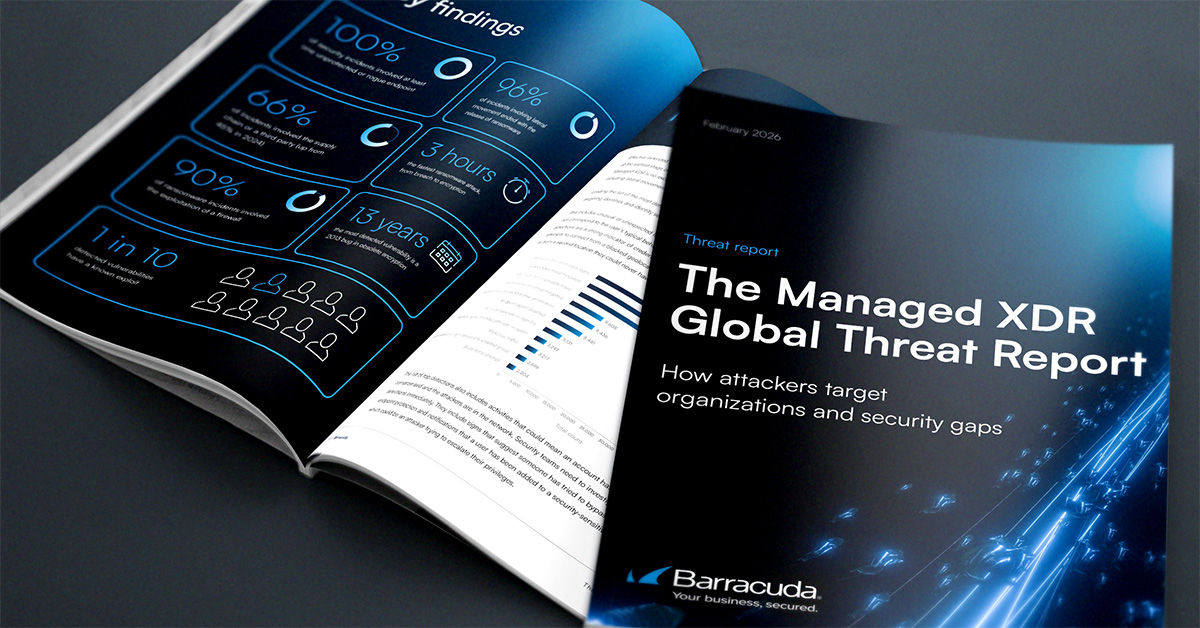
Photo: Dabarti CGI / Shutterstock